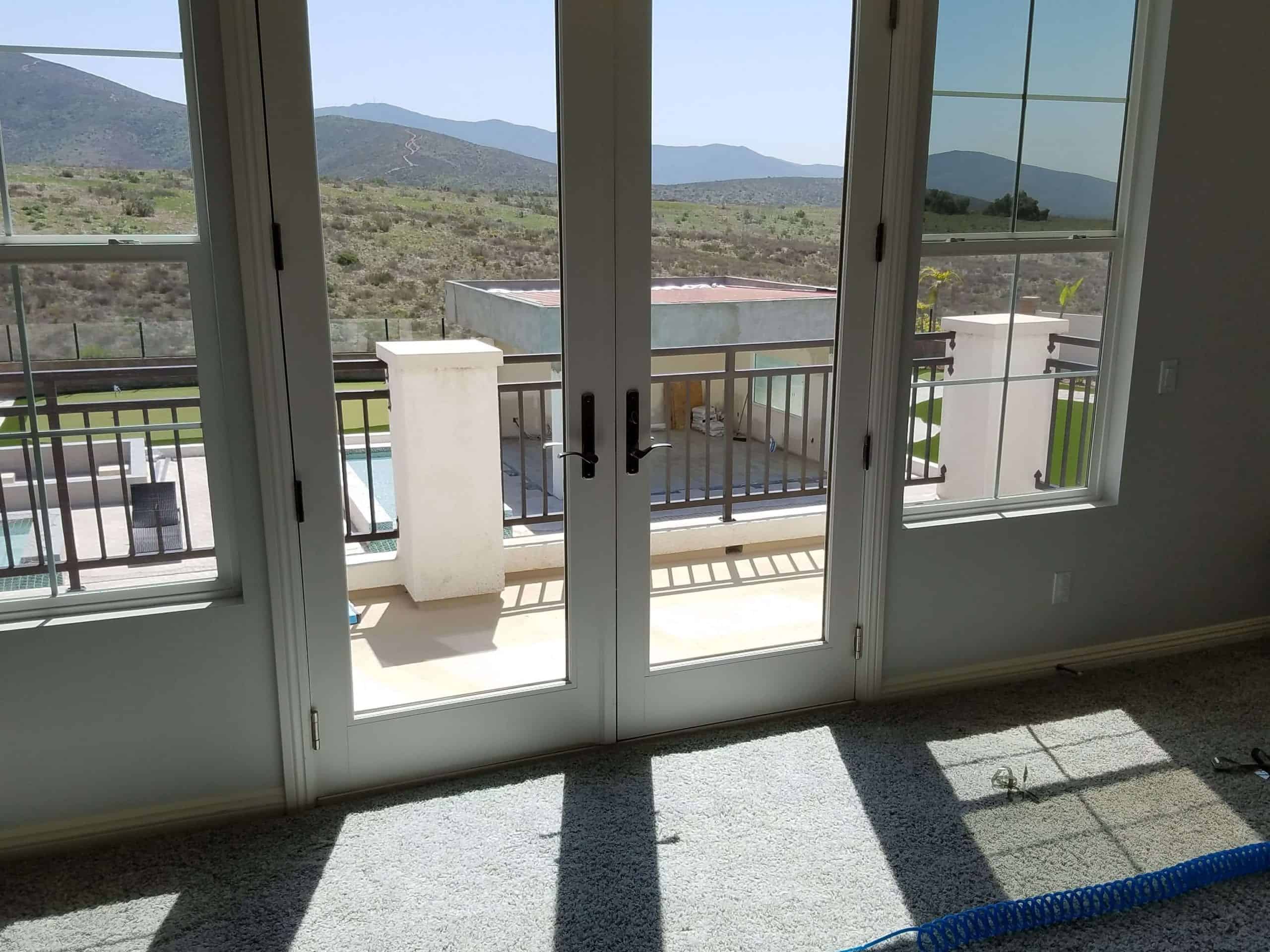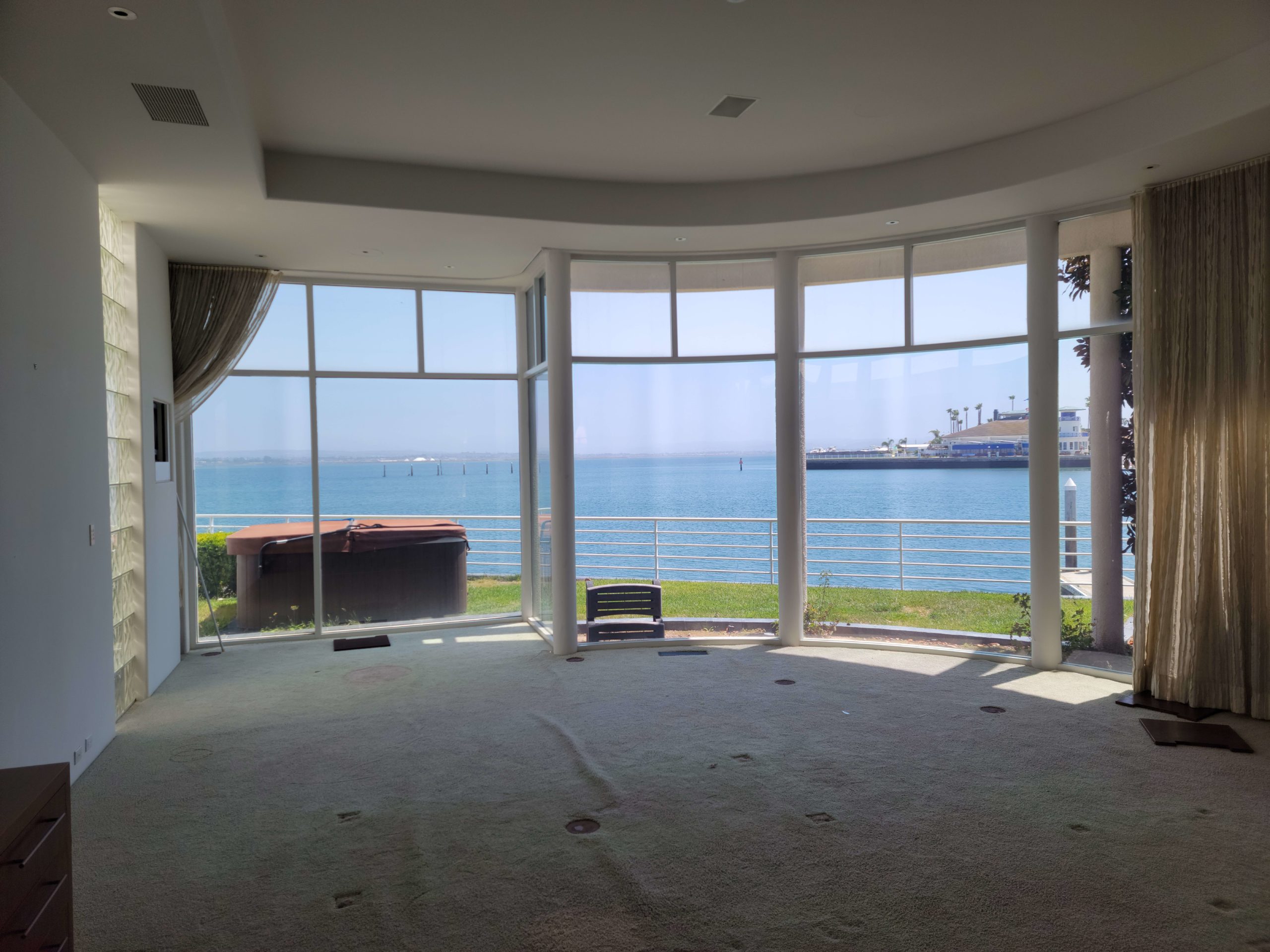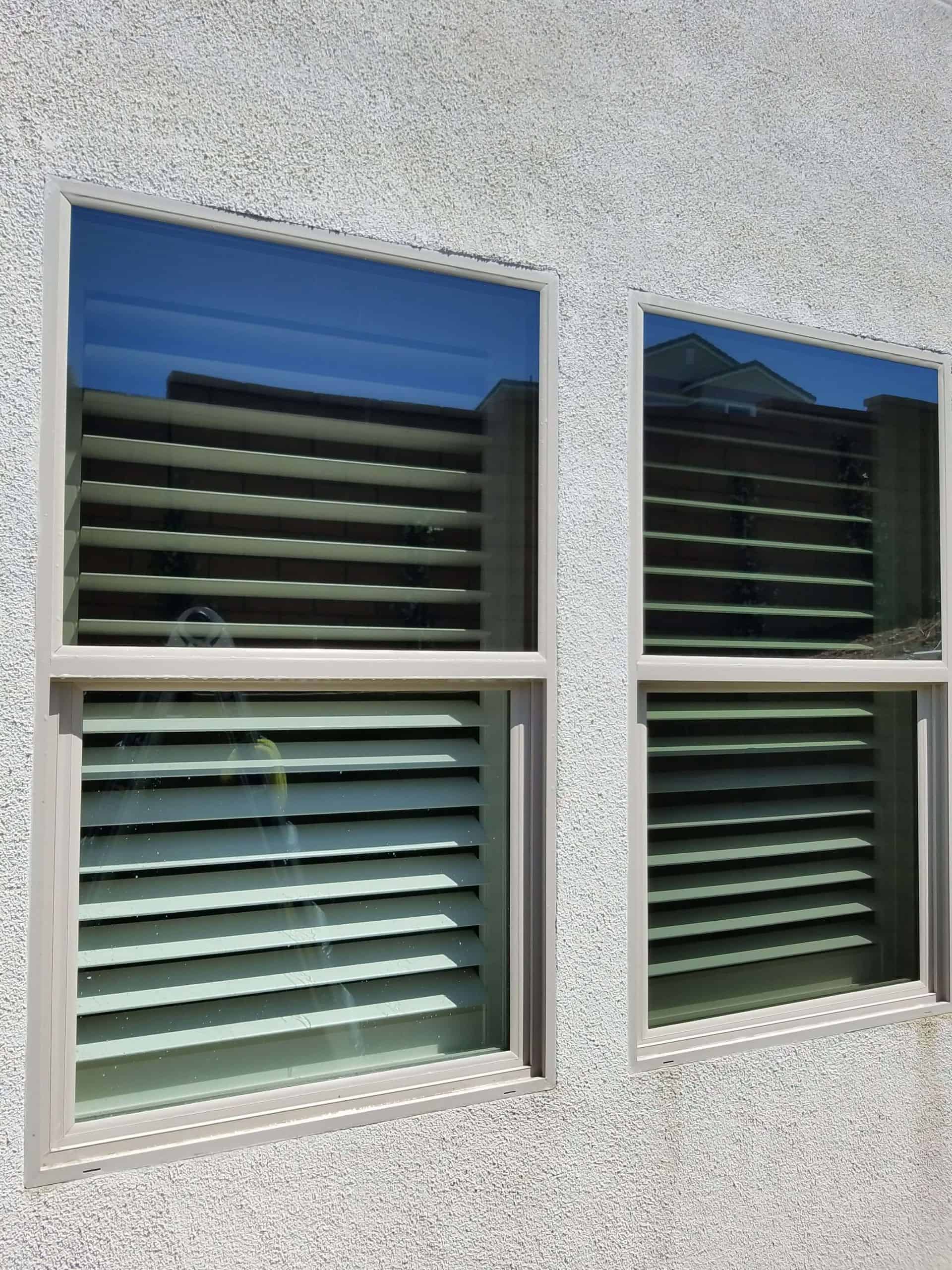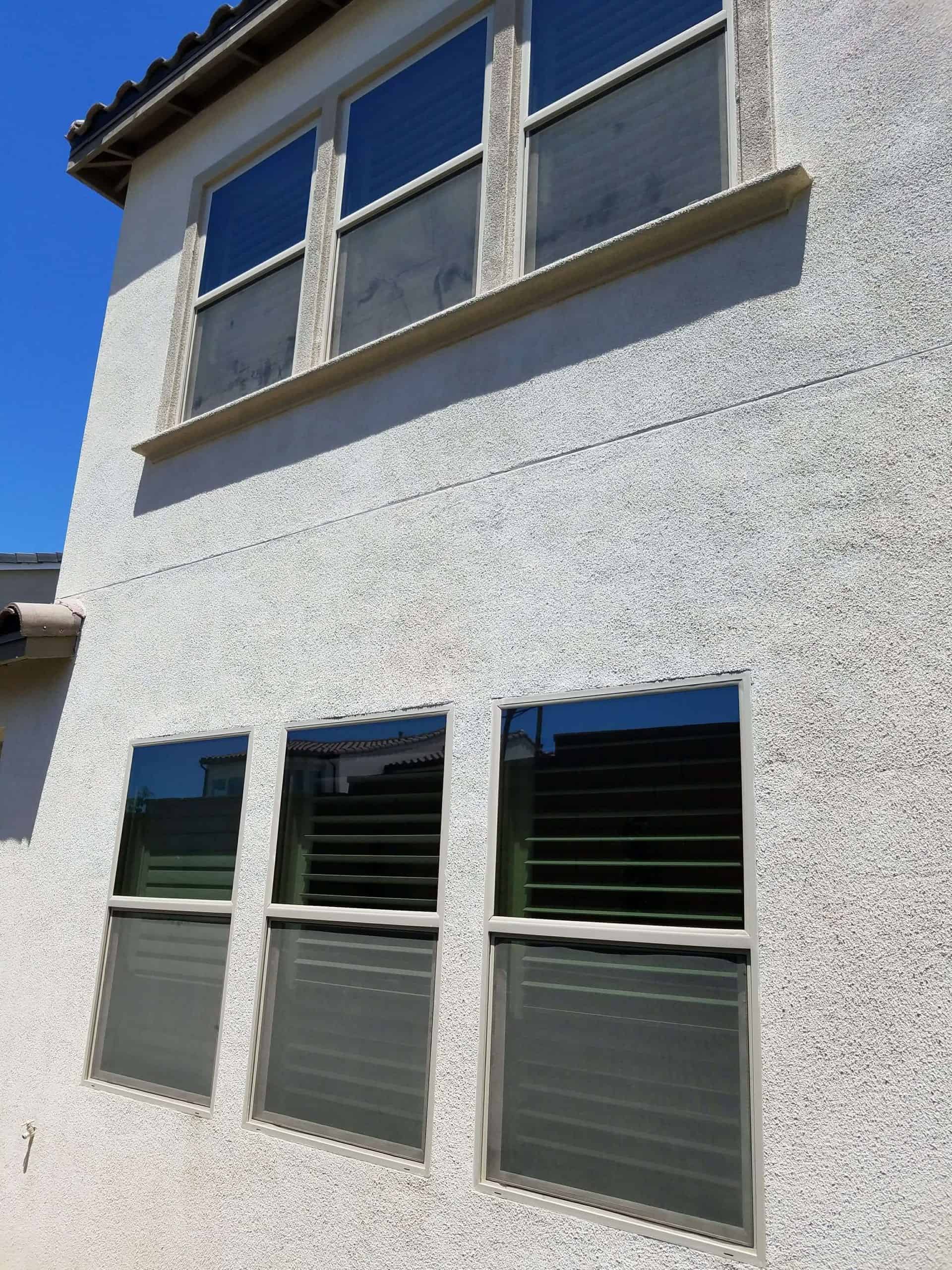
There are many things to consider when deciding whether or not to tint the windows in your home. On one hand, doing so can reduce heat gain in the summer, lower your energy bills, and make your home more comfortable. On the other hand, window tinting can be expensive, and it might not be practical in all situations. In this blog post, we'll weigh the pros and cons of tinting house windows so you can make an informed decision for your home.
Table of Contents
Here’s a quick overview before we dig into the details:
| ✅ Pros | ⚠️ Cons |
|---|---|
| Reduces heat gain by up to 80% | Upfront installation cost |
| Blocks up to 99% of UV rays | Film degrades over time (10–15 yr lifespan) |
| Lowers energy bills up to 30% | Slight reduction in outward nighttime visibility |
| Enhances daytime privacy | Requires professional removal if you change your mind |
| Protects furniture & flooring | Not all films compatible with every glass type |
| Improves security (safety films) | HOA restrictions may apply in some communities |
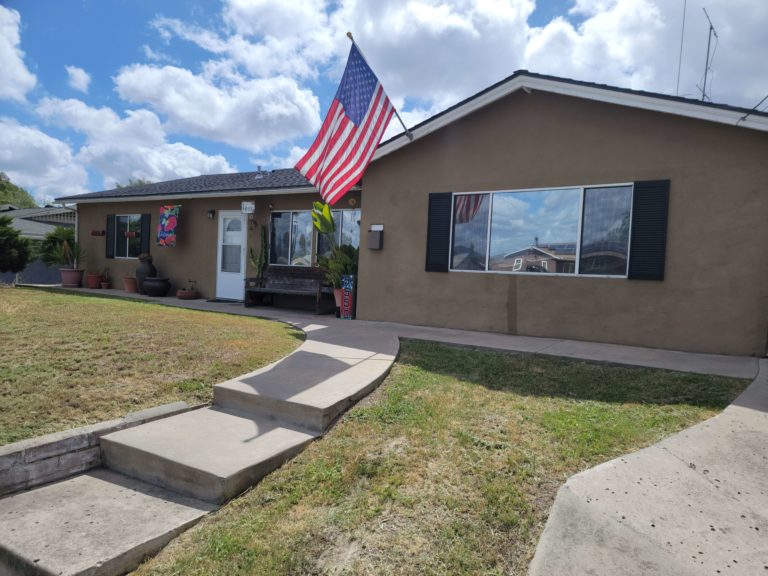
The Pros Of Home Window Tinting
San Diego homeowners enjoy more than 260 sunny days a year which is a gift, until that sun is driving your AC bill through the roof and bleaching your hardwood floors. Modern window films are engineered specifically to address these issues. Here’s what you actually gain:
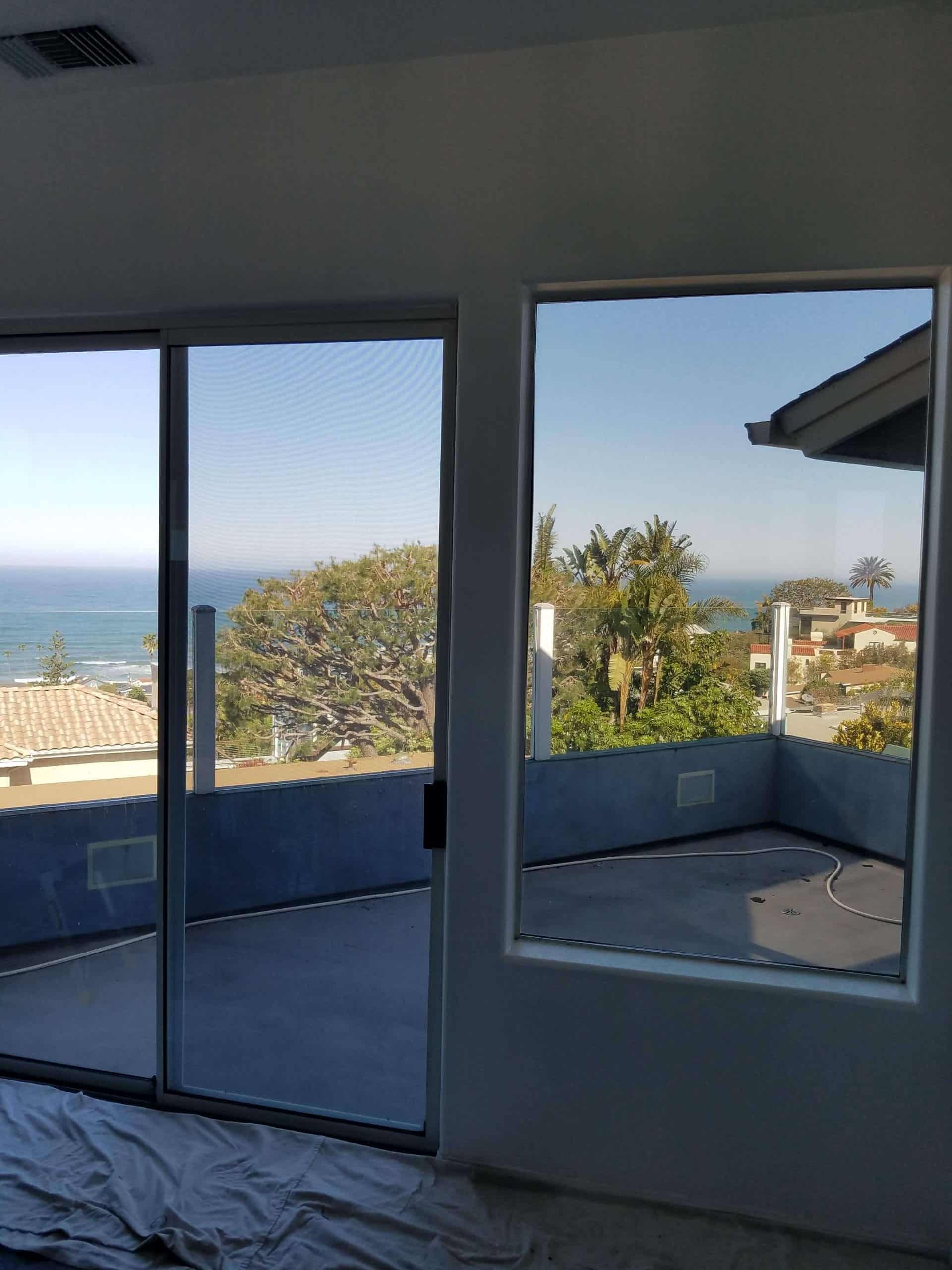
Reduced Heat In Your Home. Window film can reduce solar heat gain by up to 80%, making south and west facing rooms significantly more comfortable during peak afternoon hours. Unlike curtains or blinds, film works passively no adjusting required and still lets natural light into the space. For homes in Chula Vista, National City, or anywhere in inland San Diego County, this makes a noticeable difference from June through October.
Lower Energy Bills. Because tinted windows reduce how hard your HVAC system works to maintain a comfortable temperature, they translate directly into lower monthly energy costs. Studies show quality window film can reduce cooling energy use by up to 30%. For homeowners running central air 5 6 months a year in San Diego, that payback period on a professional installation can be 3 to 5 years with savings continuing well beyond that.
Increased Comfort.Heat reduction isn’t the only comfort benefit. Window film also eliminates hot spots — those areas near large windows or glass doors where the sun makes it uncomfortable to sit — and reduces cold drafts in winter by adding an insulating layer to the glass surface. The result is a more consistent, livable temperature throughout the home year-round, not just in summer.
UV Protection. High performance window films block up to 99% of UV radiation the invisible wavelengths responsible for fading furniture, flooring, artwork, and cabinetry over time. Research shows UV exposure can cause materials to lose up to 40% of their color before you’d notice visible sun damage. Tinting is one of the most effective ways to preserve interior investments without altering how bright and open a room feels.
Privacy. Daytime privacy is one of the most requested benefits for homeowners in dense neighborhoods or street facing rooms. One way films allow you to see out clearly while making it difficult for passersby to see in during daylight hours. For bedrooms, bathrooms, and ground floor living areas, this can eliminate the need for blinds or curtains without sacrificing natural light.
Security. Safety and security window films use multi layer technology to hold shattered glass together on impact, significantly slowing forced entry attempts. Sliding glass doors and large picture windows are primary targets in residential break ins security film doesn’t make glass unbreakable, but it dramatically increases the time and effort required to breach it, which is often enough of a deterrent.
Disadvantages Of Home Window Tinting
Window tinting isn’t the right solution in every situation. Here are the honest trade offs worth considering before committing:
- Cost. Professional window film installation typically ranges from $500 to $5,000 for a full home, depending on square footage, film type, and glass complexity. Premium ceramic films run $10–$15 per square foot installed. That said, this is a one-time investment — unlike recurring energy bills — and most homeowners in San Diego see meaningful cost recovery through utility savings within a few years.
- Durability. Window film is not a permanent solution. Most quality films last 10–15 years before showing signs of degradation — bubbling, peeling, or color shift. Premium ceramic and nano-ceramic films from established brands like Solar Gard tend to hold up longer and come with manufacturer warranties. Budget films installed improperly will fail sooner.
- Limited Visibility Daytime privacy films work by creating one-way visibility — you can see out, but others can’t easily see in. The trade-off is that this reverses at night: when interior lights are on and it’s dark outside, the effect flips and interior visibility increases. For most homeowners this is manageable, but it’s worth understanding before choosing a film.
- Can’t Be Removed Easily Once film is professionally installed, removal requires a professional process — it’s not a peel-and-stick situation. Attempting DIY removal often damages the glass surface. This isn’t a reason to avoid tinting, but it does mean you should choose a trusted installer and take time to select the right film for your long-term needs.
- HOA Restrictions. Some homeowners associations in San Diego County have guidelines about exterior-facing window appearances. Highly reflective or very dark films may require HOA approval. A reputable installer will advise you on film options that meet both your performance goals and any community aesthetic requirements.
Is Tinting Home Windows a Good Idea?
For most San Diego homeowners yes. The combination of year-round sun exposure, rising utility costs, and the desire to protect interior finishes makes window tinting one of the higher ROI home improvements available.
The key is matching the right film to your specific situation: the orientation of your windows, your existing glass type, your privacy priorities, and your budget.
If you’re primarily motivated by energy savings: look at mid-to-high-grade ceramic films with high heat rejection ratings. These deliver the strongest performance without the mirrored look of older metallic films.
If privacy is the main driver: one-way or dual-reflective films perform best on street-facing windows and ground-floor rooms. A professional can assess which film makes sense based on your window orientation and interior lighting.
If you’re concerned about cost: start with the highest-impact windows — south- and west-facing glass, sliding glass doors, and large picture windows — rather than doing the whole home at once. A phased approach lets you experience the results before committing to the full project.
However, if your windows already have high-performance Low-E coatings, your home has HOA restrictions on exterior appearance, or you’re in a rental property where modifications aren’t permitted, window tinting may not be the right fit without additional research.
FAQs
How long does home window tinting last?
Quality window film professionally installed typically lasts 10–15 years, with premium ceramic films reaching up to 20 years. Lifespan depends on the film brand, the type of glass it’s applied to, and San Diego’s year-round UV exposure. Most reputable films come with manufacturer warranties.
Can window tinting be removed?
Yes, but it requires a professional. Attempting DIY removal often leaves adhesive residue or scratches the glass surface. A trained installer can remove film cleanly without damaging the window. If you’re ever unsatisfied with a film choice, removal and re-film is a straightforward service.
Will window tinting reduce my home's energy bills?
Yes. Window film reduces solar heat gain in summer and adds an insulating layer in winter, reducing how hard your HVAC system works year-round. In San Diego’s climate, where AC runs 5–6 months a year, most homeowners see energy savings of up to 30% on cooling costs alone.
Is window tinting legal in all states?
Regulations vary by state and sometimes by municipality. In California, residential window tinting is generally permitted without restriction, but some HOAs in San Diego County have appearance guidelines that limit highly reflective or very dark films. Always confirm with your installer and HOA before proceeding.
Can window tinting protect against skin damage?
Yes. High performance window films block up to 99% of UV radiation — the same rays responsible for sunburn and long-term skin damage. This is especially relevant for rooms where you spend extended time near windows, like home offices or living rooms with south-facing glass.
Does window tinting affect visibility at night?
Darker films can reduce outward visibility at night, particularly when interior lights are on. Modern ceramic and selective-spectrum films are engineered to minimize this effect while still delivering strong heat and UV rejection. During your consultation, Blacked Out Tint can show you film samples across different VLT (visible light transmission) levels so you choose a tint that fits your lifestyle.
Blacked out window tinting home office is Southern California’s trusted window tinting and window film company.
Blacked out window tinting home office is Southern California’s trusted window tinting and window film company. We specialize in residential and commercial window tinting, privacy film, security film, sun control film, energy-saving material, and blast mitigation material for business. With over a decade of experience in the window tinting industry, our knowledgeable professionals can help you pick the perfect film for your needs.
Most Popular:

We made a podcast about our project
Area Services
Tint For Windows In Home
Our Work