Benefits Of Tint Sliding Glass Doors Costs, Benefits & Film Options (2025 Guide)
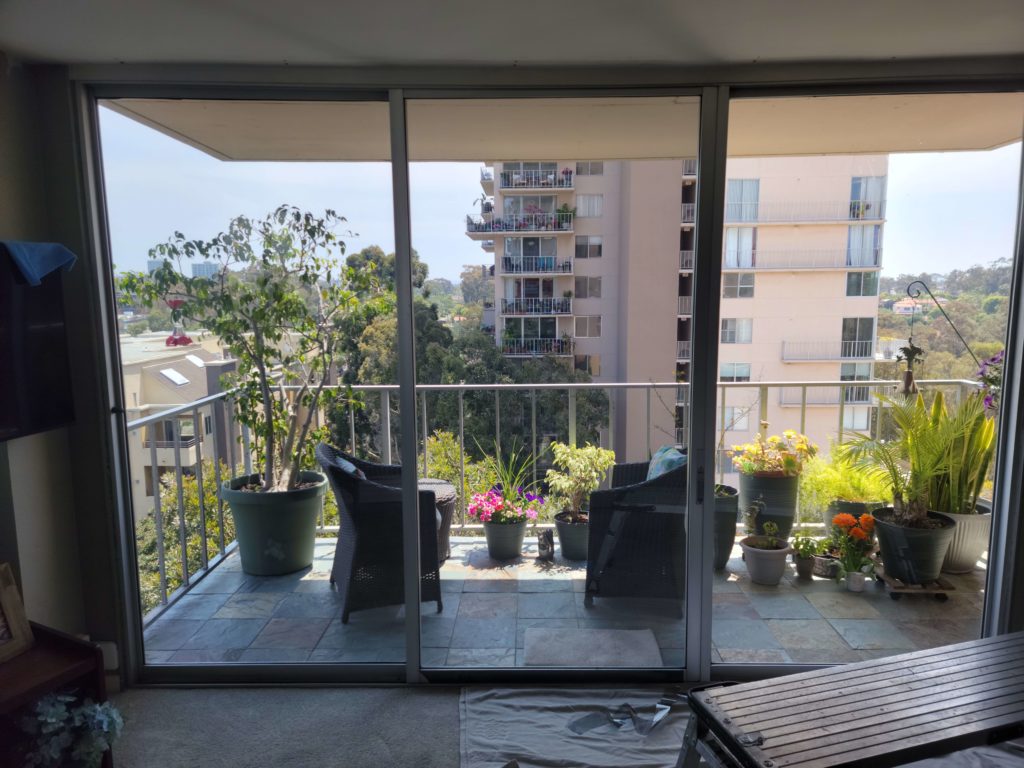
Sliding glass doors are the largest glass surfaces in most San Diego homes and one of the most overlooked sources of heat gain and energy loss. In a climate where the sun shines more than 260 days a year, an untreated slider can quietly drive up your cooling bill and accelerate fading of flooring and furniture. The good news: modern window tinting has advanced dramatically. Whether you're dealing with afternoon glare in a Chula Vista living room or trying to maintain privacy without losing your ocean views in Coronado, today's films and smart tinting solutions can solve the problem without sacrificing natural light or aesthetics. This guide covers everything you need to know benefits, film types, cost breakdowns, and how to choose the right solution for your home.
Table of Contents
Benefits of Tinting Sliding Glass Doors
Unlike windows, sliding glass doors cover 30 80 square feet of uninterrupted glass. That means more solar heat gain in summer, more UV exposure year-round, and greater privacy vulnerability than any other opening in the home. Tinting addresses all three here's how:
1. Energy Savings & Heat Control
Latest-generation ceramic and metallic films can reject up to 85% of solar heat while still allowing natural light to pass through. For San Diego homeowners especially those with west or south facing sliders this selective filtering technology can meaningfully reduce dependence on air conditioning and lower monthly utility bills.
2. UV Protection for Interiors
High performance window films block up to 99.9% of UV radiation. This matters more than most homeowners realize: UV exposure is the leading cause of premature fading in hardwood floors, upholstery, artwork, and cabinetry. Studies show materials can loose up to 40% of their color from prolonged UV exposure tinting your sliders is one of the most effective ways to protect interior investments.
3. Glare Reduction
Modern films reduce glare by up to 95% while maintaining clear views outside. For rooms used as home offices or entertainment spaces, this dramatically improves screen visibility and reduces eye strain throughout the day.
4. Enhanced Privacy
Smart tinting technologies now allow dynamic privacy control adjustable transparency throughout the day without losing your view of the outdoors. Traditional one way films also provide daytime privacy while preserving outward visibility.
5. Security
Sliding glass doors are a primary target for break ins. Security window films use multi layer technology that holds shattered glass together upon impact deterring forced entry and significantly slowing access even when glass breaks.
Materials Used on Sliders For Sliding Glass Door Tinting
Not all window films are the same. The right choice depends on your priority energy savings, privacy, aesthetics, or a combination. Here's a breakdown of the most common film types:
| Film Type | Best For | Heat Rejection |
|---|---|---|
| Dual Reflective | Max heat control + clear interior views | Up to 80% |
| Metallic (Nano-layer) | Privacy + superior heat rejection | Up to 78% |
| Ceramic | Clear views, no mirror look, UV block | Up to 85% |
| Selective Spectrum | Natural light + infrared blocking | Up to 70% |
| Smart IR Control | Near-invisible, whole-home energy savings | Up to 60% |
| Four-Season | Year-round climate control | Seasonal adaptive |
Blacked Out Tint Home & Office San Diego works with Solar Gard films and recommends options based on each home's orientation, existing glass type, and the homeowner's primary goal.
Cost Factors in Sliding Glass Door Window Tint
Window tinting isn't one size fits all pricing. Several variables influence the final investment:
Cost is calculated per square foot. A standard 48 square foot sliding glass door is the most common starting point, but larger multi panel doors or floor to ceiling glass will increase both film and labor costs.
Your slider likely has one of three glass types: annealed, tempered, or laminated. Tempered glass (most common in modern sliders) is compatible with the widest range of films. Laminated glass may require specific film selections to avoid trapped heat issues (seal failure). Your installer should assess this before recommending a product.
types of sliding glass door window tint
The type of glass in your slider also has a bearing on the cost to tint. You likely have one of three types of glass: annealed glass, tempered glass, or laminated glass.
Many modern sliders come factory equipped with Low-E coatings. The type of coating hard coat vs. soft coat, single vs. double vs. triple determines which aftermarket films are compatible and safe to apply. A professional assessment ensures you don't void glass warranties or create performance issues.
Entry-level solar films cost less than premium ceramic or smart electrochromic films. For most residential applications in San Diego, mid-range ceramic films offer the best balance of performance, longevity, and value.
how much does it cost to tint sliding glass doors
Professional sliding glass door tinting typically ranges from $400 to $1,200, with variations based on door dimensions, film quality, and regional labor rates. Current market prices for premium window films range from $8 to $15 per square foot, while professional installation averages $75 to $125 per hour.
For a standard 48-square-foot sliding glass door, expect to pay $384 to $720 for the film alone. With installation time averaging 1-2 hours, labor costs add $75 to $250. This brings the total investment range to $459-$970 for a typical installation.
Note that these estimates reflect 2025 market rates, but final costs vary based on location, installation complexity, and chosen film technology (such as smart-tinting or ceramic options). For precise pricing, consult multiple local installers who can assess your specific needs and provide detailed quotes.
| Scenario | Film Cost | Total Installed |
|---|---|---|
| Standard 48 sq ft door | $384–$720 | $459–$970 |
| Premium ceramic film | $600–$900 | $750–$1,150 |
| Smart / electrochromic tint | $800–$1,500+ | $1,100–$2,000+ |
Your Sliding Glass Door Window Tinting Solution.
With so many options available, it helps to think through your priorities before getting a quote. Consider the following:
- Primary goal: Is it energy savings, privacy, glare control, or security? Each has an optimal film category.
- Door orientation: West and south facing sliders in San Diego receive the most direct sun higher heat rejection films pay off fastest here.
- Interior use: Home offices and TV rooms benefit most from high glare reduction films.
- Aesthetics: Ceramic films preserve a natural look without the mirror effect of traditional metallic tints.
- Budget: A professional can show you options across price points and help you prioritize based on ROI.
Get a Free Assessment from Blacked Out Tint Home & Office San Diego
Blacked Out Tint Home & Office is a San Diego based window film installer specializing in residential and commercial sliding glass door tinting. Their team assesses your specific glass type, orientation, and goals before recommending a film so you get a solution that actually performs, not just a product sold off a price sheet.
Ready to improve comfort, protect your home, and lower energy costs?
Contact Blacked Out Tint Home & Office San Diego for a free on-site consultation. Serving homeowners across San Diego County including Chula Vista, National City, Coronado, and surrounding areas.
Frequently Asked Questions
How long does window tint last on sliding glass doors?
Quality window films applied by a professional installer typically last 10 to 15 years with minimal maintenance. Ceramic films tend to have the longest lifespan and carry manufacturer warranties.
Will window tint void my sliding glass door warranty?
It depends on your door manufacturer and the specific film used. Some Low-E coatings have restrictions on aftermarket films. A reputable installer will review compatibility before proceeding to protect your warranty.
Can I tint a sliding glass door myself?
DIY kits exist, but sliding glass doors are among the most difficult surfaces to film correctly due to their size and the precision required to avoid bubbles, misalignment, and peeling edges. Professional installation also ensures proper film to glass compatibility, especially on modern double pane units.
Does window tint make rooms too dark?
Not with modern films. Selective spectrum and ceramic films are engineered to block heat and UV while allowing high visible light transmission in many cases, rooms feel brighter because glare is eliminated without reducing overall light.
We made a podcast about our project
Area Services

Find us on Home Advisor

Our Badges



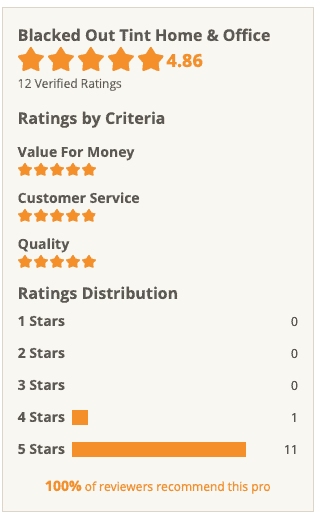
Our Reviews
Blacked out window tinting home office is Southern California’s trusted window tinting and window film company. We specialize in residential and commercial window tinting, privacy film, security film, sun control film, energy saving material and blast mitigation material for business. With over a decade of experience in the window tinting industry, our knowledgeable professionals can help you pick the perfect film for your needs.
Blacked Out tint home & office
Lets Talk
Our home office is in Chula Vista, but we go to your place of business. Fill out a quick form & I will reach out with in the same day.
Address
871 Harold PL. Suit 311 Chula Vista, CA 91914
Phone
+1 619 885 0186
blackedouttinthomeoffice@gmail.com